
Worldwide, Water Roads are helping cities to reconsider how waterways can serve as high frequency transit corridors.
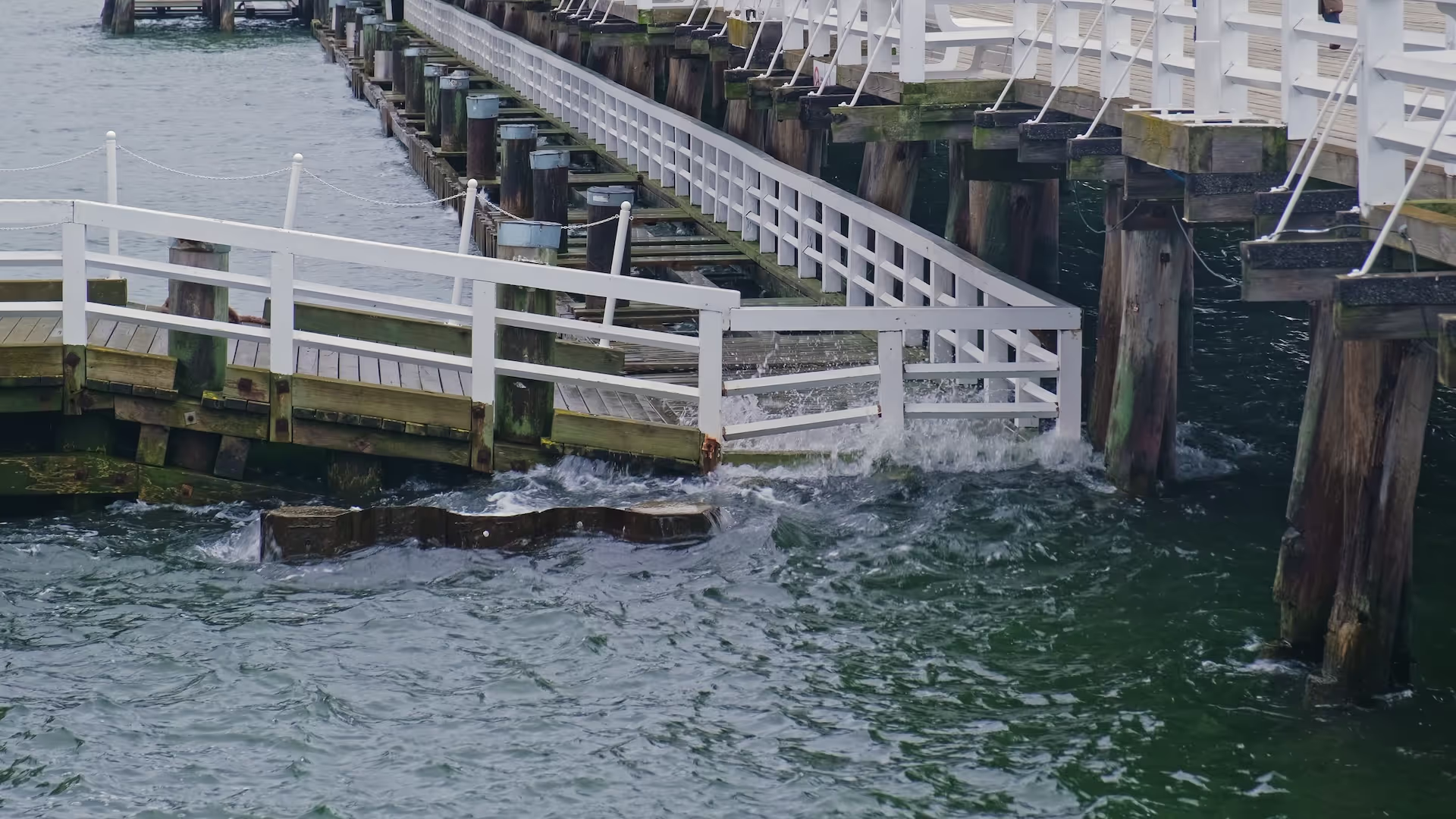
The historic barrier has been wake: conventional ferries erode shorelines, damage infrastructure, and constrain both speed and frequency. This limits water transit's ability to compete with congested roads despite clear geographic advantages. Resolving this tension requires vessel technology that reduces wake per passenger-kilometre while enabling metro-level service frequency.
This white paper introduces a wake budget framework for corridor planning and examines how electric hydrofoil fleets achieve 85–90% wake reduction while delivering superior passenger outcomes. Drawing on validated operational data from Stockholm's P-12 deployment and detailed route analysis, it outlines a performance-based regulatory approach applicable to water cities globally. Download the full white paper for a deep dive into wake physics, fleet-level impact modelling, and the Sydney case study demonstrating practical application.

.svg)
